


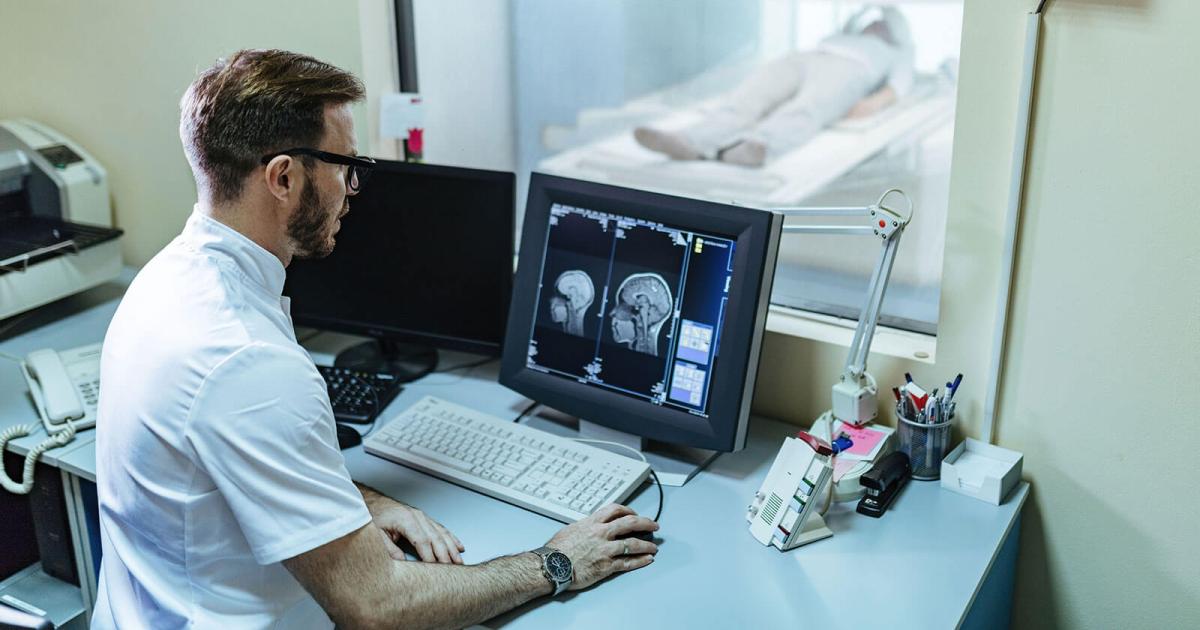
When most people think about medical imaging, they typically imagine the final result, which is a detailed scan that allows physicians to see inside the human body and identify medical conditions. However, it is important to understand that the creation of those images depends on a highly skilled team working behind the scenes. In the opinion of Kasey McKillip, radiologic technologists, ultrasound specialists, MRI technologists, and imaging informatics professionals all play a critical role in ensuring that healthcare providers receive the accurate diagnostic information they need.
Kasey McKillip Offers Insights into What It Takes to Work Behind the Scenes in Medical Imaging
A career in medical imaging demands much more than operating sophisticated equipment. It requires a unique combination of scientific expertise, technical proficiency, problem-solving abilities, and compassionate patient care. The professionals who work in this field must continuously balance cutting-edge technology with human interaction while maintaining the highest standards of safety and precision.
At the core of medical imaging lies a strong foundation in science and technology. Imaging professionals are responsible for operating advanced diagnostic equipment such as Computed Tomography (CT) scanners, Magnetic Resonance Imaging (MRI) systems, and ultrasound machines. To perform these tasks effectively, they must understand the scientific principles that allow these technologies to produce clear and accurate images.
Each imaging modality relies on different forms of energy, whether X-rays, magnetic fields, radio-frequency waves, or sound waves. Professionals must know how these energies interact with various tissues and organs within the body to generate images that physicians can interpret accurately. This understanding enables them to adjust imaging parameters, optimize image quality, and ensure diagnostic accuracy.
Equally important is a comprehensive understanding of human anatomy and physiology. Medical imaging specialists must be familiar with the structure and function of every body system. They need to know precisely how to position patients to capture the best possible images of specific organs, bones, blood vessels, or soft tissues. In many cases, they must modify standard imaging procedures to accommodate patients with injuries, disabilities, limited mobility, or unique anatomical characteristics. Their ability to combine technical knowledge with practical application directly impacts the quality of patient care.
Although medical imaging professionals often work behind the scenes, they interact closely with patients throughout the diagnostic process. Many individuals arriving for imaging examinations are experiencing discomfort, fear, uncertainty, or emotional distress. Some may be worried about the results of their scans, while others may be undergoing unfamiliar procedures that cause anxiety. As per Kasey McKillip, success in this environment requires strong interpersonal and communication skills. Imaging professionals must be able to explain complex procedures in a clear and reassuring manner, helping patients understand what to expect during their examinations. Their ability to establish trust quickly can significantly improve a patient’s comfort level and cooperation. For example, guiding a patient who experiences severe claustrophobia through an MRI examination requires patience, empathy, and effective communication. In a similar manner, helping a nervous child feel safe before an imaging procedure demands sensitivity and understanding. By creating a supportive environment, imaging specialists help patients remain calm and still during examinations, ultimately contributing to better image quality and more accurate diagnoses.
